 Free · 16 questions
Determine your WELLth CODE
Not what you believe you should value. What your own life already demonstrates you do value.
About fifteen minutes.Most people can name their goals in four seconds and their values not at all.
The difference is not academic. The things at the top of your hierarchy happen without discipline — you already make time for them, spend on them, think about them, without scheduling any of it.
Everything below them is what you keep failing to stick to and then blaming yourself for.
A value is not what you say. It is what your calendar and your statements already prove.
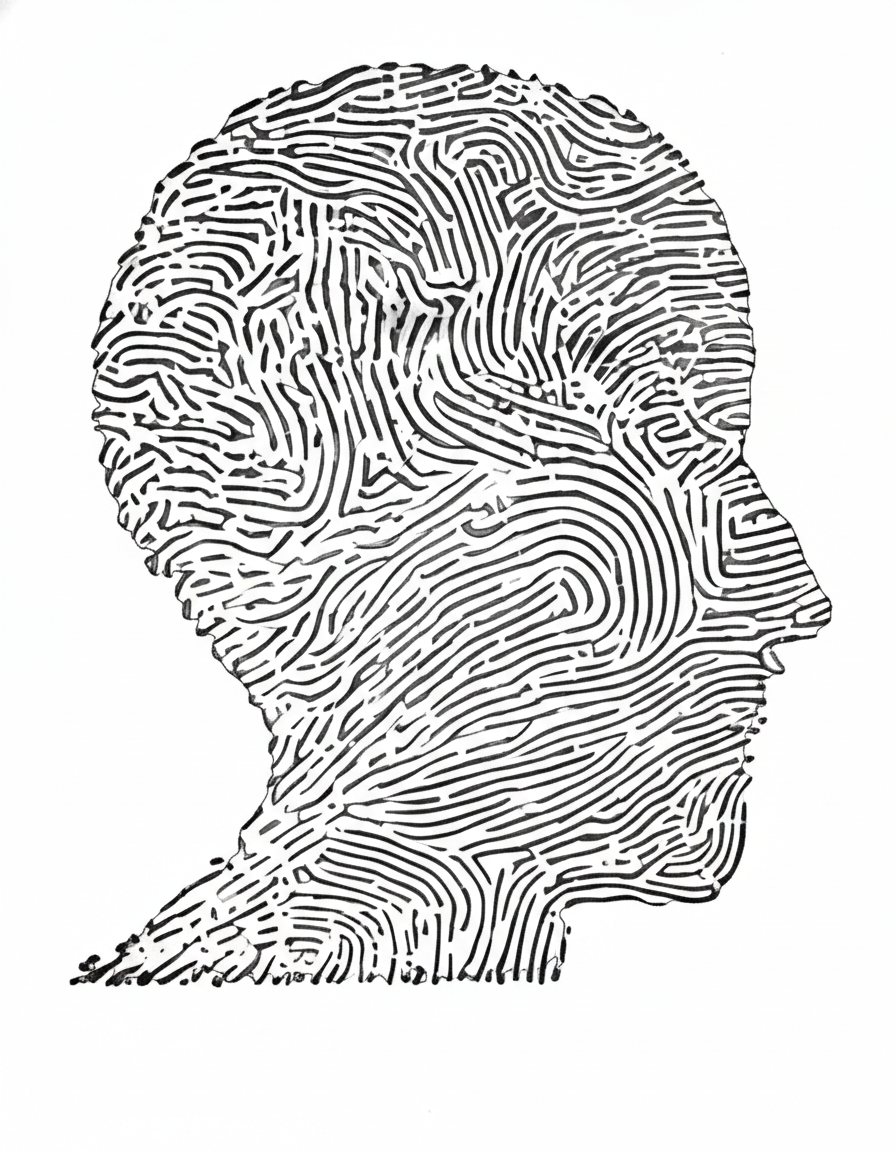
No two are the same.
Thirteen of these questions have been put to hundreds of thousands of people. No two hierarchies have ever come back identical — not between strangers, not between partners, not between a parent and the child they raised.
Yours is not a score out of ten or a type with a letter. It is the particular order your own life already runs in.
Your WELLth CODE is a fingerprint, not a category.
Sixteen questions about where your life actually goes.
Each one asks what you do the most. Three answers each — five only if two things genuinely tie. Here are four of them:
Answer honestly, not aspirationally. The reading is only as true as the answers.
How it works
Who made this
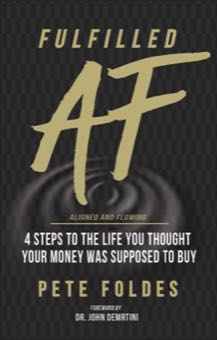
I'm Pete Foldes. Questions 1 to 13 are Dr John Demartini's Value Determination — I'm a certified facilitator, and this is his instrument, not a quiz I wrote.
Questions 14 to 16 are mine: what you actually do for your health, your closest relationships, and with your money. That's where a values hierarchy stops being interesting and starts being useful.
Certified Financial Fiduciary. Author of Fulfilled AF.
Find out what you actually value.
Free. About fifteen minutes.
Where should your report go?
Your hierarchy appears on screen the moment you finish. Your full report, with the evidence behind every value, opens in your portal — we email you a link that signs you straight in.
No password to make. The link in that email signs you in.
Same thing, different words?
These are your answers, most-named first. Tick any that mean the same thing to you and combine them — three ways of writing one value should count once, not three times.